



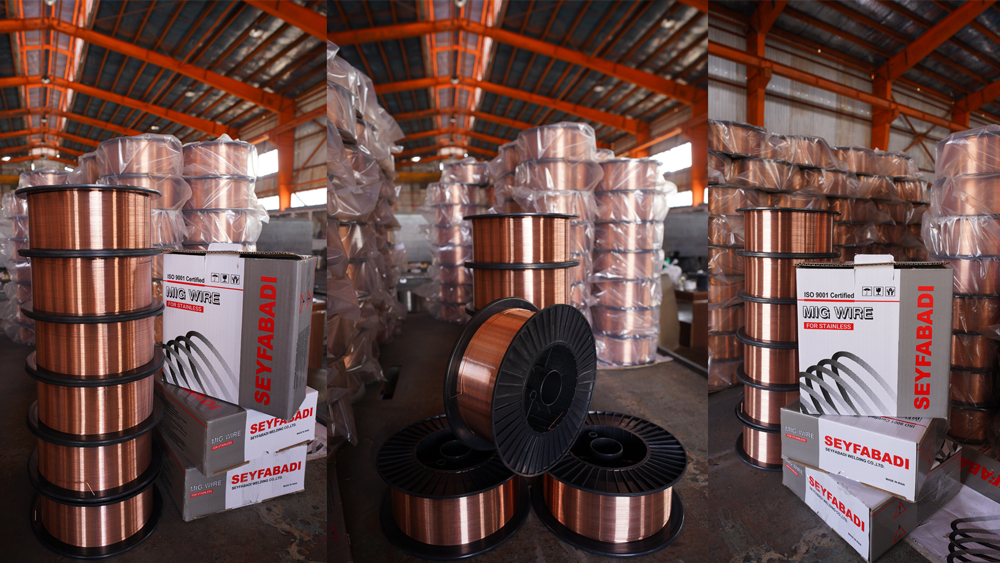

CO2 Welding Wire: Properties & Industrial Applications
CO2 welding wire is one of the most widely used consumables in modern welding processes, especially in industrial and construction applications. Known for its ability to produce strong, clean, and consistent welds, this type of welding wire plays a crucial role in improving productivity and weld quality across various industries.
By using carbon dioxide as a shielding gas, CO2 welding wire helps protect the molten metal from oxidation and contamination during the welding process. This results in durable weld joints with excellent mechanical properties. In this article, we explore the key properties, main advantages, and common industrial applications of CO2 welding wire to help you choose the right solution for your welding needs.
What Is CO2 Welding Wire?
CO₂ welding wire is a consumable metal electrode used in gas metal arc welding (GMAW), where carbon dioxide (CO₂) acts as a shielding gas to protect the molten weld pool from atmospheric contamination. This type of welding wire is designed to deliver strong, clean, and consistent welds, making it one of the most widely used materials in industrial and construction welding applications.
CO₂ welding wire is typically made from high-quality steel and is available in various diameters to suit different welding currents and material thicknesses. During the welding process, the wire is continuously fed through the welding torch, melts under the electric arc, and forms a durable joint between metal components.
Manufacturers such as Pars Sim Khorramdasht produce CO₂ welding wire in accordance with international quality standards, ensuring excellent arc stability, minimal spatter, and reliable mechanical properties. This makes CO₂ welding wire an ideal choice for structural steel fabrication, machinery manufacturing, and heavy-duty industrial projects.
Thanks to its efficiency, cost-effectiveness, and compatibility with automated and semi-automated welding systems, CO₂ welding wire remains a preferred solution for professional welders and industrial manufacturers worldwide.
Key Properties of CO2 Welding Wire
CO₂ welding wire is engineered to deliver reliable performance, strong welds, and consistent quality across a wide range of industrial applications. Understanding its key properties helps welders and engineers select the right wire for optimal results. Products manufactured by Pars Sim Khorramdasht are designed to meet these critical requirements and comply with international standards.
1. High Tensile Strength
CO₂ welding wire offers excellent tensile strength, allowing welded joints to withstand heavy loads, vibrations, and mechanical stress. This property makes it especially suitable for structural steel, machinery, and load-bearing components.
2. Excellent Arc Stability
One of the most important properties of CO₂ welding wire is stable arc performance. A smooth and stable arc ensures uniform weld beads, better penetration, and reduced welding defects. Pars Sim Khorramdasht CO₂ welding wires are formulated to maintain consistent arc behavior even in continuous industrial operations.
3. Low Spatter Formation
High-quality CO₂ welding wire produces minimal spatter during welding. Reduced spatter improves weld appearance, lowers post-weld cleaning time, and increases overall productivity in workshops and factories.
4. Good Weld Penetration
CO₂ welding wire provides deep and consistent penetration into base metals. This ensures strong fusion between metal parts and enhances the structural integrity of welded joints, especially in thick or high-strength materials.
5. Compatibility with Automated Systems
This type of welding wire is fully compatible with automatic and semi-automatic welding machines. Its uniform diameter and smooth surface allow steady wire feeding, which is essential for industrial-scale production lines.
6. Resistance to Cracking and Porosity
Proper chemical composition and controlled manufacturing processes help CO₂ welding wire resist common welding defects such as cracking and porosity. Pars Sim Khorramdasht ensures strict quality control to deliver reliable and defect-free welding wire.
7. Versatility Across Applications
CO₂ welding wire can be used for a wide range of metals and applications, including construction frameworks, industrial equipment, automotive parts, and general fabrication. This versatility makes it a cost-effective and practical solution for professional welders.
Thanks to these key properties, CO₂ welding wire from Pars Sim Khorramdasht is a trusted choice for industries seeking durability, efficiency, and high-quality welding performance.
Advantages of Using CO2 Welding Wire
Using high-quality CO₂ welding wire offers multiple benefits for industrial, construction, and manufacturing projects. Pars Sim Khorramdasht produces premium CO₂ welding wire designed to maximize efficiency, weld quality, and safety across applications.
1. Strong and Durable Welds
CO₂ welding wire ensures robust, long-lasting welds capable of withstanding heavy loads and mechanical stress. This makes it ideal for structural steel, machinery, and critical industrial components.
2. High Productivity
Thanks to its smooth feeding, stable arc, and minimal spatter formation, CO₂ welding wire improves welding efficiency and reduces downtime. Projects can be completed faster without compromising quality.
3. Cost-Effective
While initially slightly more expensive than lower-grade wires, CO₂ welding wire reduces material waste, rework, and maintenance costs, making it a cost-efficient choice in the long run.
4. Versatility in Applications
CO₂ welding wire can be used for a wide range of metals, from mild steel to high-strength alloys. Its adaptability makes it suitable for construction frameworks, industrial equipment, automotive parts, and general fabrication.
5. Better Appearance and Finish
Minimal spatter and smooth arc action provide cleaner welds, reducing post-weld cleaning and polishing time. This improves overall project aesthetics and quality.
6. Compatibility with Automated and Semi-Automated Systems
The uniform diameter and consistent quality of CO₂ welding wire allow for steady feeding in automated welding systems, supporting high-volume production with minimal interruptions.
7. Resistance to Welding Defects
Pars Sim Khorramdasht CO₂ welding wire is designed to minimize defects like cracking and porosity, ensuring stronger, safer, and more reliable welds in all industrial applications.
By leveraging these advantages, CO₂ welding wire from Pars Sim Khorramdasht ensures durable, efficient, and high-quality welding for a variety of projects.
Role of CO2 Welding Wire in Industrial Welding
CO₂ welding wire plays a critical role in industrial welding processes, ensuring high-quality, reliable, and efficient results. Pars Sim Khorramdasht provides premium CO₂ welding wire designed to meet the demanding requirements of industrial applications.
1. Ensures Strong Structural Integrity
Using CO₂ welding wire ensures welds that are strong, durable, and capable of withstanding mechanical stress, vibration, and heavy loads. This is particularly important in industries like construction, automotive, and machinery manufacturing.
2. Supports High-Volume Production
Its consistent diameter and smooth feeding allow for automated or semi-automated welding, enabling higher production rates while maintaining weld quality. This reduces downtime and increases industrial efficiency.
3. Reduces Defects and Rework
CO₂ welding wire minimizes common welding defects such as porosity, slag inclusion, and cracking. Pars Sim Khorramdasht’s high-quality wires ensure safer and more reliable welds, reducing the need for rework.
4. Versatility Across Metal Types
It is suitable for welding various steel grades, including mild steel, low-alloy, and high-strength steels, making it a versatile choice for multiple industrial sectors.
5. Cost and Time Efficiency
By producing cleaner welds with less spatter, CO₂ welding wire reduces post-weld cleaning and finishing time, saving both labor and materials.
6. Enhances Safety
Proper use of CO₂ welding wire improves control over the welding arc and reduces the risk of accidents caused by inconsistent welds or wire feed interruptions.
In industrial settings, using CO₂ welding wire from Pars Sim Khorramdasht ensures optimal performance, long-lasting welds, and efficient production, making it a vital component in modern welding operations.
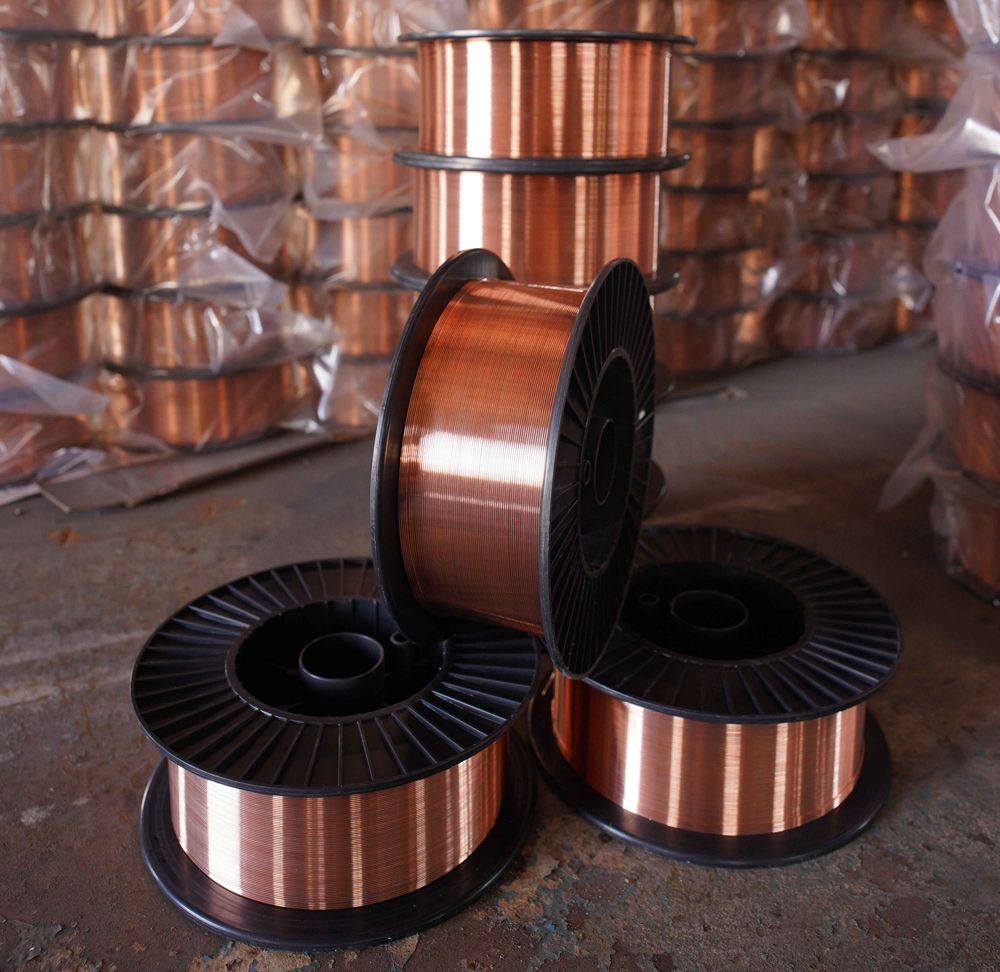
Common Industrial Applications of CO2 Welding Wire
CO₂ welding wire is widely used across multiple industries due to its reliability, strength, and versatility. Pars Sim Khorramdasht offers high-quality CO₂ welding wire suitable for various industrial applications.
1. Automotive Industry
CO₂ welding wire is extensively used in automotive manufacturing for assembling car frames, chassis, and body panels. Its strength and precision ensure durable and safe vehicles.
2. Construction and Structural Steel
In construction, CO₂ welding wire is ideal for joining steel beams, columns, and frameworks. Pars Sim Khorramdasht’s wires provide strong welds that can withstand heavy loads and environmental stresses.
3. Machinery and Equipment Manufacturing
Industrial machinery often requires high-strength welds. CO₂ welding wire is used in producing equipment, engines, and mechanical parts, ensuring long-lasting performance under heavy-duty conditions.
4. Shipbuilding and Marine Applications
The corrosion resistance and strong welds achieved with CO₂ welding wire make it suitable for marine and shipbuilding projects where durability against harsh conditions is essential.
5. Pipeline and Metal Fabrication
CO₂ welding wire is also used in fabricating pipelines, tanks, and metal structures. Its versatility allows welding of different steel grades efficiently and safely.
6. Maintenance and Repair Work
For repair or reinforcement of industrial metal structures, CO₂ welding wire provides reliable performance, restoring structural integrity while minimizing downtime.
By choosing CO₂ welding wire from Pars Sim Khorramdasht, industries benefit from consistent quality, durable welds, and improved efficiency in production and maintenance tasks.
CO2 Welding Wire vs Other Welding Wire Electrodes
When it comes to industrial welding, choosing the right electrode is crucial for achieving strong, reliable, and long-lasting welds.Pars Sim Khorramdasht offers high-quality CO₂ welding wire that stands out compared to other types of welding wire electrodes.
1. Corrosion Resistance
CO₂ welding wire provides excellent corrosion resistance due to its specially formulated composition, making it ideal for outdoor and industrial applications. Other welding electrodes may lack this level of protection, leading to faster wear and maintenance needs.
2. Welding Speed and Efficiency
CO₂ welding wire allows faster welding with consistent bead quality, increasing production efficiency. Compared to traditional electrodes, it reduces downtime and ensures uniform welds, saving both time and labor costs.
3. Versatility
CO₂ welding wire is suitable for a wide range of metals and thicknesses, from mild steel to high-strength alloys. Other welding electrodes may be limited in compatibility or require multiple types for different materials.
4. Strength and Durability
Welds made with CO₂ welding wire exhibit high tensile strength and excellent penetration, ensuring durable joints in heavy-duty applications. Many alternative electrodes may produce weaker welds under similar conditions.
5. Cost-Effectiveness
While CO₂ welding wire may have a slightly higher initial cost, its efficiency, reduced need for rework, and longer lifespan make it more cost-effective over time compared to other electrodes.
By using CO₂ welding wire from Pars Sim Khorramdasht, industries can achieve superior weld quality, enhanced durability, and greater operational efficiency across various applications.
How CO2 Welding Wire Improves Weld Quality
Pars Sim Khorramdasht’s CO₂ welding wire is engineered to deliver superior weld quality in industrial and construction applications. Here’s how it enhances welding performance:
1. Consistent Bead Formation
CO₂ welding wire ensures uniform bead appearance, reducing defects like spatter or uneven edges. This consistency improves both the structural integrity and aesthetic finish of the weld.
2. Deep Penetration
Thanks to its optimized composition, CO₂ welding wire provides deeper weld penetration, resulting in stronger joints that can withstand heavy loads and stress.
3. Reduced Porosity
The wire minimizes porosity in welds by providing stable arc characteristics, which prevents gas pockets and weak spots from forming within the weld.
4. Enhanced Arc Stability
CO₂ welding wire maintains a stable arc even under varying conditions, allowing welders to produce precise, high-quality welds with minimal interruptions.
5. Compatibility with Automation
This wire is well-suited for automated or semi-automated welding processes, enabling higher productivity while maintaining consistent quality.
By selecting CO₂ welding wire fromPars Sim Khorramdasht, welders can ensure stronger, more reliable, and visually superior welds across industrial, construction, and manufacturing projects.
Selecting the Right CO2 Welding Wire for Your Project
Choosing the appropriate CO₂ welding wire is essential to ensure strong, clean, and reliable welds for your specific application. Pars Sim Khorramdasht offers a range of high‑quality CO₂ welding wires designed to meet diverse project needs. Here’s how to make the best selection:
1. Identify the Base Metal
The type of metal you are welding (such as mild steel, low‑alloy steel, or high‑strength steel) determines the wire specification you need. CO₂ welding wire from Pars Sim Khorramdasht is available in different grades to match various metal categories for optimal compatibility.
2. Consider Wire Diameter
Wire diameter affects weld penetration and feed stability. Thicker wires provide deeper penetration and are suitable for heavy duty work, while thinner wires are ideal for lighter materials and precision welding. Choosing the right diameter ensures better control and weld integrity.
3. Evaluate Welding Position and Environment
Different jobs may require welding in flat, vertical, or overhead positions. Select a CO₂ welding wire that performs reliably in your working conditions, considering factors like heat input and travel speed. Pars Sim Khorramdasht’s products are tested for consistent performance in varied welding environments.
4. Match Shielding Gas Composition
Although pure CO₂ is commonly used, some processes require a mixed shielding gas (e.g., CO₂ with Argon). Ensure the selected wire is compatible with your welding gas setup to maximize arc stability and minimize spatter.
5. Assess Mechanical Requirements
Consider the load‑bearing and strength requirements of the finished product. For structural applications or heavy machinery, choose a welding wire grade that delivers high tensile strength and durability.
6. Check Manufacturer Quality Standards
Always source CO₂ welding wire from a reputable supplier.Pars Sim Khorramdasht ensures international quality control, consistency in manufacturing, and reliable mechanical properties that enhance weld performance.
By considering these factors—base metal type, wire diameter, welding environment, shielding gas, mechanical requirements, and manufacturer quality—you can confidently select the right CO₂ welding wire for your project, ensuring efficient, strong, and durable results.
Safety Considerations When Using CO2 Welding Wire
Using CO₂ welding wire safely is crucial to protect operators, maintain a secure work environment, and ensure high-quality welds. Pars Sim Khorramdasht emphasizes proper safety practices for industrial and workshop settings. Here are the key considerations:
1. Wear Appropriate Personal Protective Equipment (PPE)
Always use gloves, long-sleeved clothing, safety goggles, and face shields to protect against sparks, heat, and metal splinters. High-quality PPE reduces the risk of burns or injuries when handling CO₂ welding wire.
2. Ensure Proper Ventilation
CO₂ welding can produce fumes and gases that are harmful if inhaled. Work in well-ventilated areas, use exhaust fans or fume extractors, and avoid enclosed spaces to maintain a safe breathing environment.
3. Handle Wire and Equipment Correctly
Avoid rough handling of welding wire, coils, or wire feeders to prevent kinks, breakage, or accidents. Pars Sim Khorramdasht’s CO₂ welding wire is manufactured for smooth feeding and easy handling, but proper care is essential.
4. Prevent Electrical Hazards
CO₂ welding involves electric arcs that can cause shocks or burns. Make sure all equipment is properly grounded, and keep the work area dry to reduce the risk of electrical accidents.
5. Maintain a Clean and Organized Workspace
Remove flammable materials, debris, or clutter from the welding area. A tidy workspace reduces fire risks and allows for safer movement of materials and personnel.
6. Store Welding Wire Safely
Keep CO₂ welding wire in a dry, cool location to prevent rusting or contamination. Proper storage preserves wire quality and ensures consistent welding performance.
7. Follow Manufacturer Guidelines
Always follow the safety and usage instructions provided by suppliers like Pars Sim Khorramdasht, which align with international welding standards and best practices.
By following these safety measures, operators can work confidently with CO₂ welding wire, minimizing risk while achieving high-quality, durable welds in industrial and construction applications.
Why Pars Sim Khorramdasht Is a Trusted Supplier of CO2 Welding Wire
Pars Sim Khorramdasht has established itself as a reliable and trusted provider of high-quality CO₂ welding wire for industrial, construction, and workshop applications. Here’s why professionals choose Pars Sim Khorramdasht:
1. Premium Quality Products
All CO₂ welding wires from Pars Sim Khorramdasht are manufactured to meet international standards, ensuring consistent composition, smooth feeding, and excellent weld quality. This guarantees strong, durable, and reliable welds for every project.
2. Extensive Industry Experience
With years of experience in the metal and welding industry, Pars Sim Khorramdasht understands the demands of industrial and construction projects. Their expertise ensures that customers receive products tailored to specific applications and requirements.
3. Comprehensive Product Range
Pars Sim Khorramdasht offers a wide variety of CO₂ welding wires, including different diameters and specifications, making it easy for clients to select the right wire for their unique projects.
4. Technical Support and Consultation
The company provides expert guidance on selecting the right wire, optimizing welding parameters, and maintaining equipment, helping customers achieve the best results while reducing errors and material waste.
5. Commitment to Safety and Standards
All products comply with safety regulations and industry standards, ensuring that every weld is not only strong and efficient but also safe for operators and the work environment.
6. Local and Export Availability
Pars Sim Khorramdasht serves both domestic and international clients, providing flexible logistics, reliable delivery, and responsive customer service for all orders.
By choosing Pars Sim Khorramdasht, engineers, contractors, and workshop professionals can trust they are getting top-quality CO₂ welding wire, backed by a company committed to excellence, safety, and customer satisfaction.
Conclusion
CO2 welding wire from Pars Sim Khorramdasht offers a reliable, high-performance solution for various industrial and construction welding needs. Its key properties—such as high tensile strength, excellent conductivity, and resistance to oxidation—make it ideal for producing strong, durable, and precise welds. By understanding the advantages, applications, and proper handling of CO2 welding wire, professionals can enhance productivity, ensure safety, and achieve superior weld quality.
Choosing the right CO2 welding wire for your specific project, combined with adherence to safety guidelines, guarantees long-lasting results and minimizes maintenance costs. With Pars Sim Khorramdasht as a trusted supplier, customers benefit from top-quality products that meet international standards and deliver consistent performance across all industrial and construction applications.

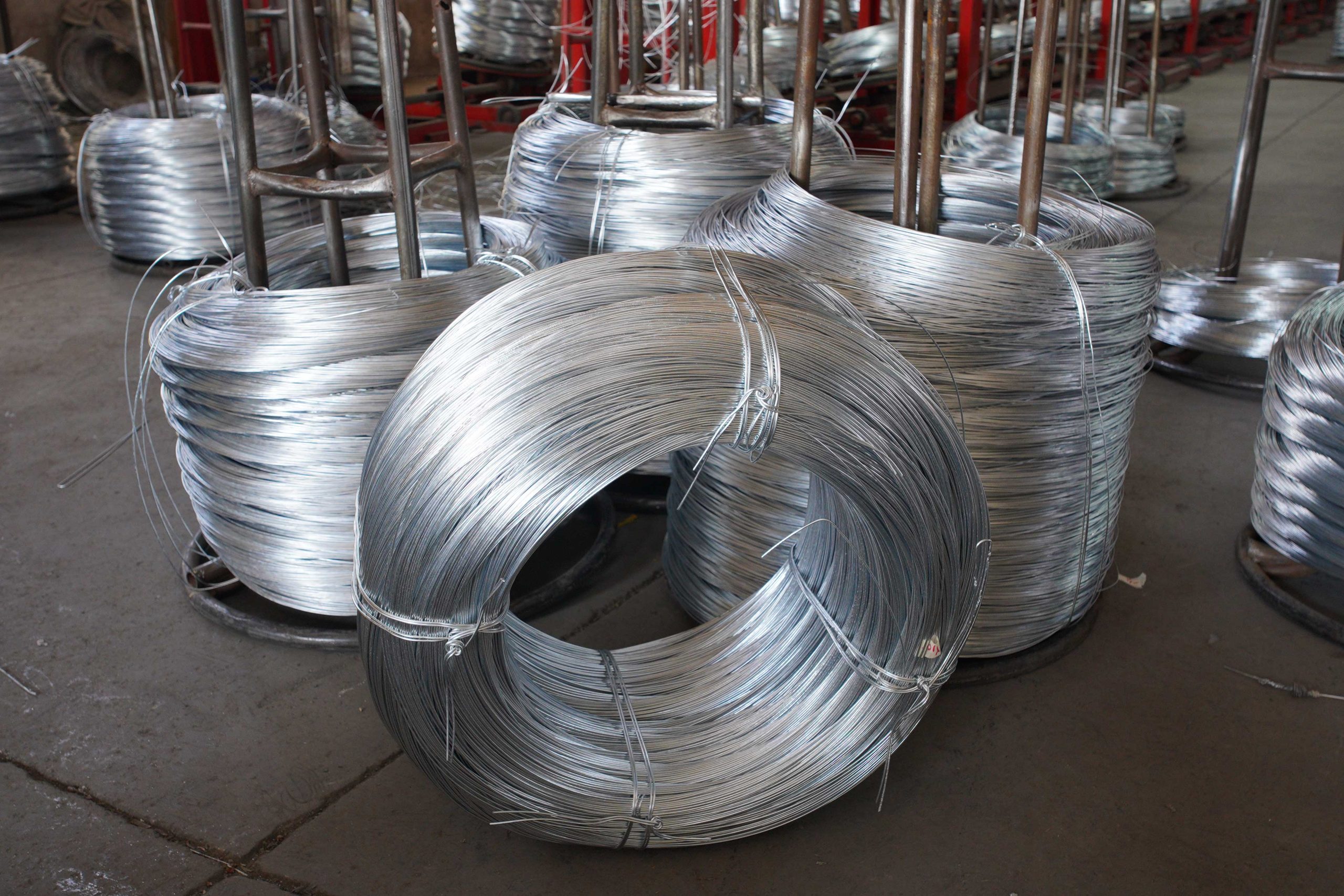
Galvanized Wire
The Complete Guide to galvanized Wires: Types, Uses, and Manufacturing Process
Galvanized wire is one of the most versatile and widely used materials in construction, industrial, and agricultural projects. Coated with a layer of zinc, it offers superior resistance to corrosion and rust, making it an ideal choice for both indoor and outdoor applications. Its combination of strength, flexibility, and longevity has made it a staple in fencing, structural support, and various industrial settings.
Whether you are a contractor, engineer, or DIY enthusiast, understanding the types, applications, and proper handling of galvanized wire is essential for achieving reliable and long-lasting results. In this guide, we will explore everything you need to know about zinc-coated wire—from its types and manufacturing process to maintenance tips and safety guidelines—so you can make informed decisions for your projects.
What is Galvanized Wire?
Galvanized wire is a type of steel wire coated with a layer of zinc to protect it from rust, corrosion, and other environmental damage. The galvanization process ensures long-lasting durability, making it ideal for both industrial and construction applications. Galvanized wire comes in various thicknesses and types, including plain, twisted, and annealed, offering flexibility for fencing, binding, and structural reinforcement.
This wire is widely used in industries that require reliable and strong materials that can withstand harsh weather conditions. The zinc coating not only increases the lifespan of the wire but also reduces maintenance costs, making zinc-coated wire a cost-effective solution for many projects.
Key Benefits of Galvanized Wire:
-
High resistance to corrosion and rust
-
Long-lasting durability in outdoor environments
-
Suitable for industrial, agricultural, and construction purposes
-
Flexible and easy to install
Types of Galvanized Wire
Galvanized wire comes in several types, each designed to meet specific industrial, construction, or agricultural needs. Understanding the differences helps you choose the right wire for your project.
1. Plain Galvanized Wire
Plain galvanized wire is smooth and versatile, ideal for general-purpose applications such as binding, tying, and basic fencing. Its zinc coating provides corrosion resistance while maintaining flexibility.
2. Twisted Galvanized Wire
Twisted zinc-coated wire consists of two or more strands twisted together for added strength and durability. This type is commonly used for stronger fencing solutions, suspension, and structural reinforcement.
3. Barbed Galvanized Wire
Barbed wire is galvanized for extra protection against rust and used widely in security fencing, agricultural boundaries, and restricted areas. The sharp barbs deter intruders while maintaining long-term durability.
4. Annealed Galvanized Wire
Annealed wire is softened through heat treatment, making it more flexible and easier to bend without breaking. It is ideal for applications that require intricate shaping or frequent handling, such as crafting fences or mesh structures.
5. High-Tensile Galvanized Wire
This wire is designed for heavy-duty applications requiring maximum strength, such as industrial structures, electric fencing, and large-scale agricultural installations. Its galvanized coating ensures it withstands outdoor exposure.
Benefits of Different Types of Galvanized Wire
-
Adaptable for a wide range of applications
-
Resistant to corrosion, rust, and environmental damage
-
Provides both strength and flexibility depending on the type
-
Long-lasting, low-maintenance solution for outdoor and industrial use
Manufacturing Process of Galvanized Wire
The manufacturing of galvanized wire involves several precise steps to ensure durability, corrosion resistance, and uniform quality. Galvanization protects the steel core from rust and extends the wire’s lifespan for both industrial and agricultural applications.
1. Wire Drawing
Steel rods are drawn through a series of dies to reduce their diameter and achieve the required thickness. This process also increases the wire’s tensile strength and flexibility.
2. Cleaning and Surface Preparation
The drawn wire is thoroughly cleaned to remove oils, dirt, and scale. Surface preparation often involves pickling in an acid solution to ensure that the zinc coating adheres properly.
3. Galvanization
The wire undergoes galvanization, which involves dipping it into molten zinc (hot-dip galvanizing) or applying a zinc coating electrochemically (electro-galvanizing). The zinc layer prevents corrosion and improves the wire’s resistance to harsh environmental conditions.
4. Annealing (Optional)
Some galvanized wires are annealed after galvanization. This heat treatment softens the wire, making it more flexible and easier to handle for applications like fencing, binding, or mesh production.
5. Cooling and Spooling
After galvanization and optional annealing, the wire is cooled and wound into spools or coils, ready for distribution. Proper spooling ensures the wire remains tangle-free and easy to transport.
Key Advantages of the Galvanized Wire Manufacturing Process:
-
Long-lasting corrosion resistance
-
Uniform and consistent wire quality
-
Suitable for industrial, agricultural, and construction applications
-
Provides flexibility for bending and shaping without breaking
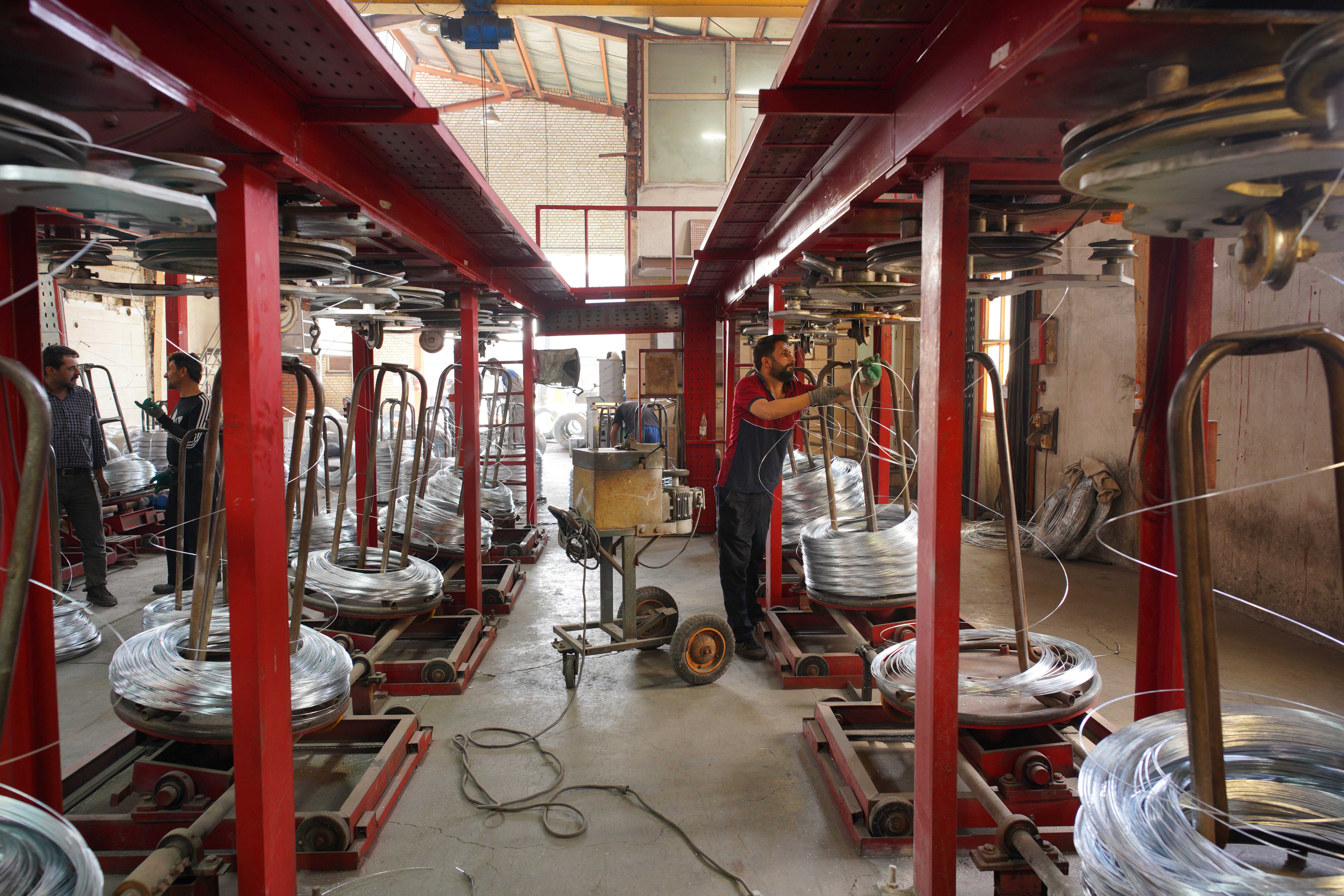
Applications of Galvanized Wire in Construction Projects
Galvanized wire plays a critical role in modern construction projects due to its durability, corrosion resistance, and versatility. It is widely used to enhance the safety, stability, and efficiency of construction operations.
1. Fencing and Perimeter Security
Galvanized wire is commonly used to build strong fences around construction sites. It protects the site from unauthorized access, safeguards equipment, and ensures the safety of workers and passersby.
2. Reinforcement in Concrete Structures
Galvanized wire can be used to tie rebar and reinforce concrete frameworks. Its rust-resistant properties ensure that the structural integrity of buildings and bridges remains intact over time.
3. Suspension and Binding
Lightweight and strong galvanized wire is ideal for binding materials, suspending temporary structures, or securing scaffolding. Its flexibility and tensile strength make it a practical choice for various construction applications.
4. Mesh and Protective Grills
In construction, galvanized wire mesh is used for plaster reinforcement, safety barriers, and protective grills. It ensures stability while resisting corrosion from moisture and environmental exposure.
Benefits of Using Galvanized Wire in Construction:
-
Increases durability and lifespan of structures
-
Protects against rust and corrosion in outdoor environments
-
Provides cost-effective solutions for site security and structural reinforcement
-
Enhances safety for workers and equipment
Uses of Galvanized Wire in Industrial Settings
Galvanized wire is a versatile material widely utilized in various industrial applications due to its strength, durability, and corrosion resistance. Its adaptability makes it a preferred choice across multiple sectors.
1. Machinery and Equipment
zinc-coated wire is often used in the manufacturing and assembly of industrial machinery. It can secure parts, serve as tension wires, or be used in springs and other mechanical components where durability is essential.
2. Metal Fabrication
In metalworking industries, galvanized wire is employed to create wire mesh, grids, and reinforcement structures. Its corrosion-resistant coating ensures that fabricated metal components withstand harsh environments without rusting.
3. Packaging and Binding
Industrial operations frequently use metal wire for bundling and packaging heavy materials. Its high tensile strength and flexibility make it ideal for securely holding materials during transportation or storage.
4. Electrical and Telecommunication Applications
Galvanized wire is also utilized in certain electrical applications, such as grounding or cable support, due to its conductivity and protective zinc coating that prevents oxidation.
Benefits of Using Galvanized Wire in Industrial Settings:
-
Resistant to corrosion in harsh industrial environments
-
Provides long-lasting durability for machinery and structures
-
Flexible yet strong for binding, support, and fabrication
-
Reduces maintenance costs due to its protective coating
Advantages of Galvanized Wire
Galvanized wire offers several advantages that make it an ideal choice for construction, industrial, and everyday applications. Its protective zinc coating and inherent strength provide long-term benefits compared to untreated or plain steel wires.
1. Corrosion Resistance
The zinc coating on galvanized wire prevents rust and corrosion, making it suitable for outdoor and harsh environments. This ensures a longer lifespan for fences, structural reinforcements, and industrial applications.
2. Durability and Strength
zinc-coated wire maintains its tensile strength even under high stress or heavy loads. It can endure physical impacts and maintain structural integrity in demanding applications.
3. Low Maintenance
Due to its corrosion-resistant coating, galvanized wire requires minimal maintenance. This reduces long-term costs for industrial, construction, and agricultural projects.
4. Cost-Effective
While slightly more expensive upfront than plain steel wire,zinc-coated wire proves cost-effective over time due to its longevity and reduced maintenance requirements.
5. Versatility
Galvanized wire is suitable for a wide range of applications—from fencing and construction to industrial manufacturing—thanks to its strength, flexibility, and resistance to environmental factors.
Choosing galvanized wire ensures safety, reliability, and long-term performance across projects. Its combination of durability, corrosion resistance, and low maintenance makes it a smart investment for professionals and industries worldwide.
Maintenance Tips for Longevity
Proper maintenance of galvanized wire ensures it remains durable, corrosion-resistant, and efficient over time. While galvanized wire is naturally protected by a zinc coating, following a few simple tips can extend its lifespan and maintain its performance in any project.
1. Regular Inspections
Check the wire periodically for signs of damage, rust spots, or coating wear. Early detection of minor issues can prevent larger problems and costly replacements.
2. Cleaning
Keep the wire free from dirt, debris, and chemicals that could compromise the zinc coating. Use mild detergents and water for cleaning, and avoid harsh chemicals that may cause corrosion.
3. Avoid Direct Contact with Corrosive Materials
Ensure the wire does not come in direct contact with highly acidic or alkaline substances, as they can accelerate corrosion even on galvanized surfaces.
4. Proper Storage
When not in use, store galvanized wire in a dry, ventilated area away from moisture and humidity. Avoid stacking coils directly on the ground to prevent water accumulation.
5. Protective Coatings
In particularly harsh environments, consider adding an additional protective layer, such as vinyl or PVC coating, to further enhance resistance to corrosion and mechanical wear.
6. Careful Handling
Avoid excessive bending, kinking, or crushing of the wire during installation or transport. Physical damage can compromise the zinc coating and reduce the wire’s lifespan.
By following these maintenance tips, galvanized wire can provide long-lasting strength and protection, ensuring reliability in construction, industrial, and agricultural applications. Proper care helps maximize the benefits of this versatile and durable material.
Comparing Galvanized Wire and Other Metal Wires
zinc-coated wire stands out among zinc-coated wire due to its unique protective coating and durability. Understanding the differences between galvanized wire and other types of zinc-coated wires can help you choose the best option for your projects.
1. Corrosion Resistance
zinc-coated wire is coated with a layer of zinc, which provides excellent resistance against rust and corrosion. Other zinc-coated wires, such as plain steel or iron wires, lack this protective layer and can corrode quickly when exposed to moisture or harsh environments.
2. Longevity
Thanks to its zinc coating, galvanized wire has a longer service life compared to non-galvanized zinc-coated wires. While untreated steel wire may start to rust within months in outdoor conditions, zinc-coated wire can last many years with minimal maintenance.
3. Strength and Flexibility
zinc-coated wire maintains high tensile strength, making it suitable for heavy-duty applications like fencing and construction. Compared to aluminum or copper wires, it provides a better combination of strength and flexibility for structural and industrial uses.
4. Cost-effectiveness
Although galvanized wire might have a slightly higher initial cost than plain steel wire, its extended lifespan and reduced maintenance needs make it more cost-effective over time.
5. Common Applications
Galvanized wire is widely used in construction, agriculture, industrial frameworks, and fencing projects. Other zinc-coated wires may be more suitable for electrical wiring, jewelry, or specialized industrial equipment, depending on their material properties.
When selecting a wire for your project, zinc-coated wire wire is often the preferred choice for applications requiring durability, corrosion resistance, and long-term reliability. Its advantages make it superior to many other uncoated zinc-coated wires in demanding environments.
Safety Guidelines When Handling Galvanized Wire
Handling zinc-coated wire safely is crucial to prevent injuries and ensure a secure work environment. Although zinc-coated wire is strong and durable, improper handling can lead to accidents, cuts, or other hazards. Here are essential safety guidelines:
1. Wear Protective Gear
Always wear gloves, long-sleeved clothing, and safety glasses to protect against sharp edges, wire ends, and metal splinters. Heavy-duty gloves are particularly important when cutting or bending wire.
2. Use Proper Tools
Use wire cutters, pliers, and bending tools designed for galvanized wire. Avoid makeshift tools that can slip or break, causing injuries.
3. Safe Cutting Practices
When cutting wire, ensure it is properly secured. Cut slowly and deliberately to avoid recoil or sharp fragments. Always direct the cut away from your body and coworkers.
4. Avoid Electrical Hazards
Galvanized wire is metallic and conducts electricity. Keep it away from live electrical circuits to prevent shocks or short circuits.
5. Maintain a Clean Workspace
Keep the work area free from clutter, tripping hazards, and moisture. This reduces the risk of slips, trips, and accidental wire punctures.
6. Proper Storage and Transport
Store wire coils on racks or pallets, avoiding stacking them haphazardly. During transport, secure the wire to prevent movement that can cause injury or damage.
By following these safety guidelines, you can handle zinc-coated wire efficiently while minimizing the risk of injury. Always prioritize personal protection and proper tools to ensure a safe and productive working environment.
How to Choose the Right Galvanized Wire for Your Project
Selecting the appropriate galvanized wire for your project is crucial to ensure durability, safety, and overall performance. Here are the key factors to consider:
1. Determine the Wire Gauge
The thickness of the wire, often referred to as its gauge, affects its strength and flexibility. Thicker wires are suitable for heavy-duty applications like fencing or structural supports, while thinner wires are ideal for lighter tasks such as tying or temporary enclosures.
2. Check the Zinc Coating
Not all zinc-coated wire are coated equally. Heavier zinc coatings provide better corrosion resistance and longer lifespan. Consider the environment in which the wire will be used—outdoor, wet, or industrial environments may require a thicker zinc coating.
3. Assess Tensile Strength
Tensile strength measures how much load the wire can handle before breaking. For construction or industrial projects, choose a wire with sufficient tensile strength to ensure stability and safety.
4. Consider Flexibility
Some applications, such as fencing around irregular terrain or crafting specific shapes, require a more flexible wire. Ensure the chosen wire balances strength and flexibility according to your project’s needs.
5. Evaluate Environmental Conditions
If your project is exposed to moisture, chemicals, or extreme weather, choose a galvanized wire that can withstand these conditions without losing its integrity or corroding quickly.
6. Supplier Reliability
Opt for high-quality wires from reputable suppliers. Companies like Pars Sim Khormdasht provide zinc-coated wire that meet international standards, ensuring consistent quality and long-lasting performance.
By considering gauge, zinc coating, tensile strength, flexibility, and environmental exposure, you can select the right galvanized wire that meets your project’s specific requirements, providing durability, safety, and cost efficiency.
Conclusion
Galvanized wire is a reliable and durable solution for a wide range of applications in construction, industrial, and agricultural projects. Its corrosion resistance, strength, and versatility make it a preferred choice for professionals and DIY enthusiasts alike. By understanding the different types, proper usage, maintenance, and safety precautions, you can ensure long-lasting performance and efficiency in your projects. Choosing high-quality zinc-coated wire from a trusted supplier like Pars Sim Khorramdasht guarantees optimal results and peace of mind.
Contact Information – Pars Sim Khorramdasht – galvanized wire
Address: 10th Street of Andisheh, Andisheh Street, Khorramdasht Industrial City, Km 15 Hamadan Road, Takestan City, Qazvin Province
Executive Director Mobile: +989122824229
Local Sales (Galvanized Wire) – Mrs. Seif Abadi: +989302235215 (Call, WhatsApp, Telegram)
Local Sales (CO2 Welding Wire) – Mrs. Seif Abadi: +989381928474 (Call & WhatsApp)
Export Sales: +989120830402 (Call & WhatsApp)
Factory Phone: 2835330167